A single "finished my run" post gets old fast. Runners who post consistently tend to vary what they're actually showing, not just how often they post.
Before, during, after
Before a run — the planned route, the goal for the session, or just the forecast for context.
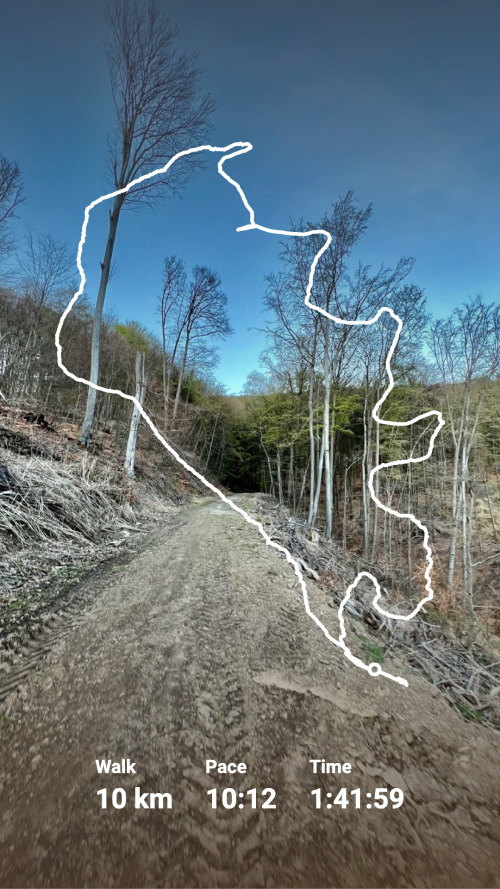
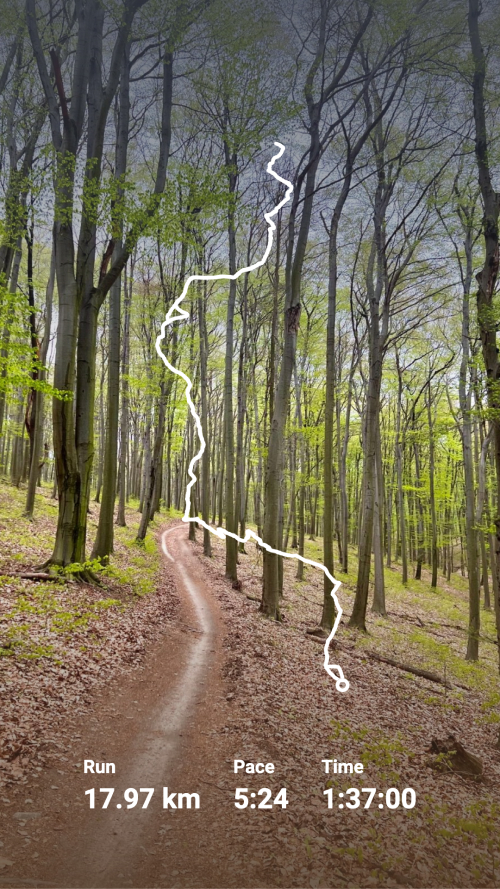
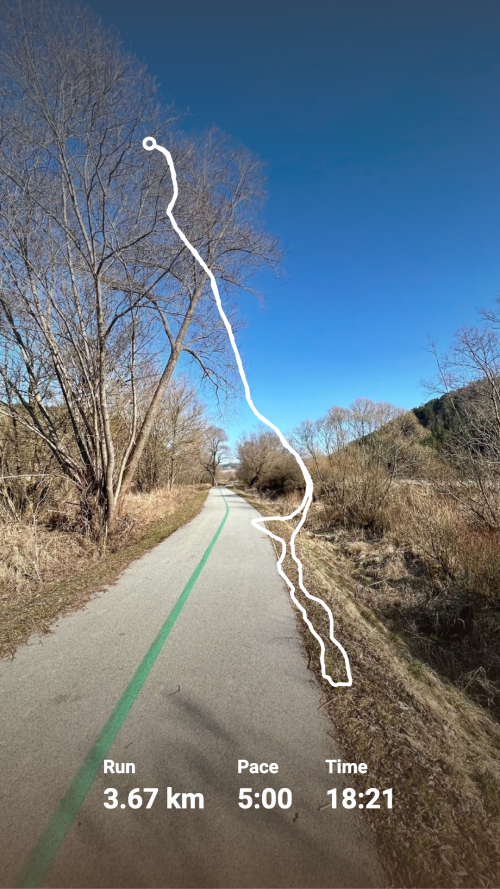
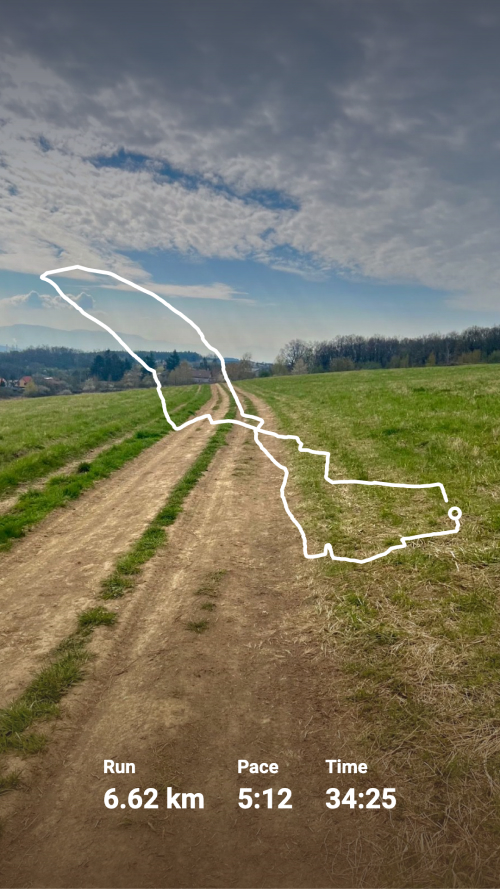
During — a scenic stretch with pace overlaid, or a note at a hard point in the route (a hill, an interval).
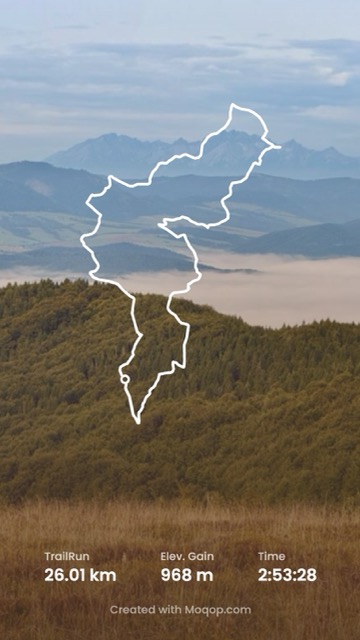
After — the full stats with the route map, a personal best, or just how the effort actually felt.
Formats worth trying
Before/after shots — the start line next to the finish line says more than either alone.
Checkpoints along the route — a few photos from different points in a long run, telling it as a journey rather than a single result.
Milestone posts — round numbers (100 miles, 50 runs this year) or a genuine personal record, with enough context that it reads as an achievement, not just a number.
Making it look consistent
Using moqop.com/app/strava-to-instagram, pick a style—Minimal for a clean route-forward look, Detailed for a full breakdown, Overlay for stats on your own photo—and stick with it across posts so your running content reads as one ongoing story rather than disconnected updates.
What tends to get engagement
Asking a genuine question (what's the group's next race, has anyone run this trail) does more than a generic caption. So does tagging training partners or a local running group, and sharing something a little more specific than "good run today"—the conditions, the route, what made it hard or good.
Try Strava to Instagram
template now